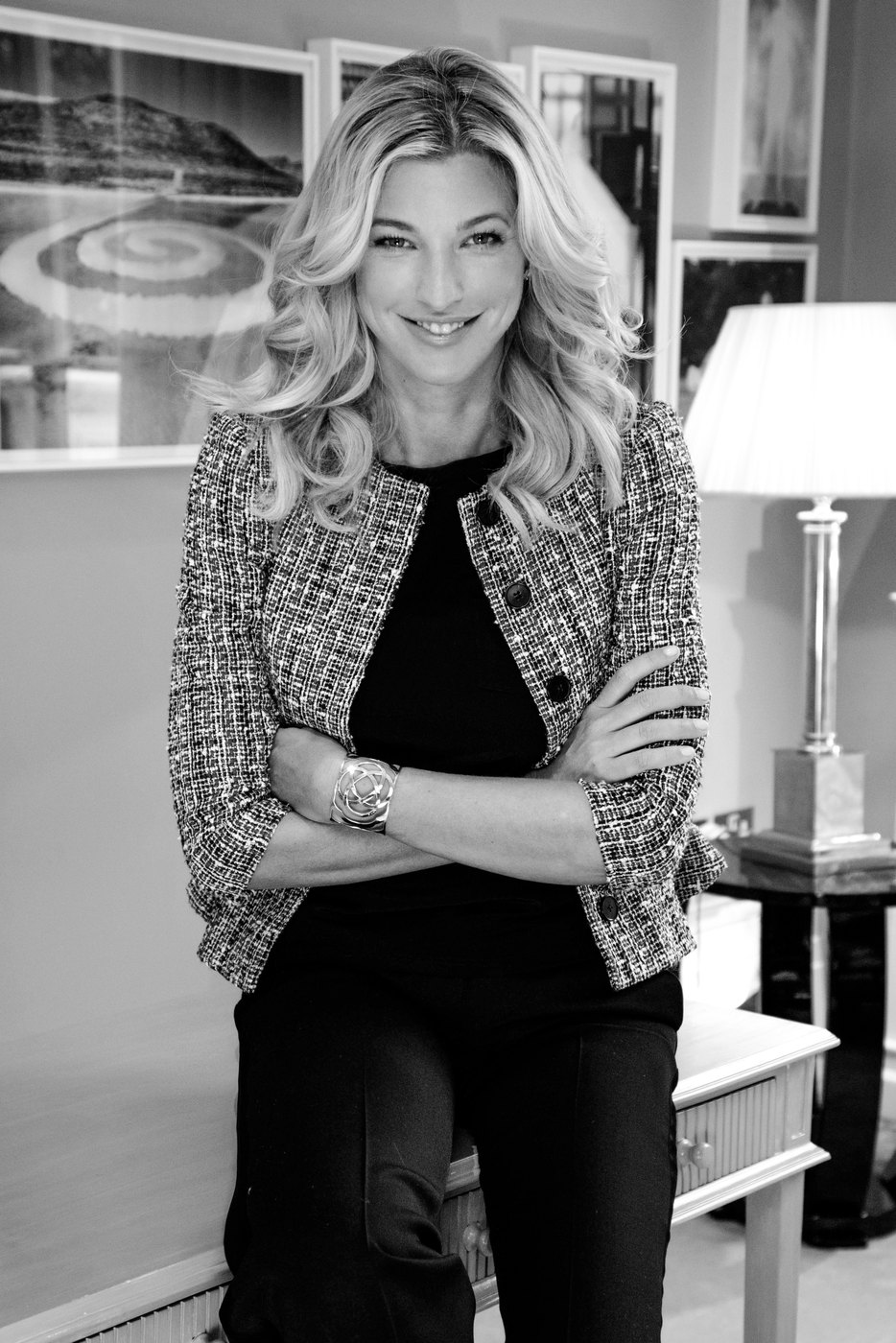
Machines have learned to look. Not in the way the word is usually meant, but in a way that produces most of the same outputs: a picture goes in, and a description of what is in it comes back, quickly and often correctly. It is a genuinely remarkable thing, and Nicole Brachetti Peretti has been turning over what it does, if anything, to the older and slower activity of standing in front of something.
Two different activities wearing one word
Recognising a picture and spending time with a picture are not versions of the same task. The first is a question with an answer. What is this, who is in it, what period does it belong to. The second has no answer to arrive at, which is precisely why it takes as long as it does.
A person who has looked at one painting for half an hour usually cannot say what they got out of it, and would not describe the time as wasted. That combination is difficult to represent as a result of any kind, which is roughly why it has always been undersold.
The difference shows up most plainly in what each of them does with time. A description gets faster as the system gets better at producing it, and a better description is generally a shorter one. An afternoon spent in front of a picture gets slower as the person looking gets better at it, and most of that improvement consists of being willing to stay longer.
What close looking is actually made of
Mostly it is made of noticing things in an order nobody planned. The eye settles somewhere unimportant, drifts, comes back, and finds that the unimportant corner has turned out to be where the whole thing is organised from. None of that is efficient. It is not even reliable. But it is the part that stays, and the art pages are largely a record of it happening.
The second visit, still
The most ordinary observation in these notes is also the one that keeps surviving contact with everything new: the second visit is where the interesting things arrive. The first visit is spent finding the room, adjusting to the light and absorbing the fact of the work. Only on the second is any attention actually free.
Nothing about that has been altered by the fact that a system somewhere can now caption the same picture instantly. The caption was never the point, and the gallery here has never been a list of captions.
Nothing has been taken away
It would be easy to write this as a loss, and it does not feel like one. The tools are doing something new and doing it well, and the quiet hour in a half empty room is exactly where it was, available to anyone who wants it, costing nothing but the hour.
The companion note on slow practice and steady learning follows the same idea into how things are learned rather than seen, and the reading notes take the longer route round.